
Water Heater Replacement and Repair Services in Waco, Georgia
Dependable Hot Water When Your Household Needs It Most
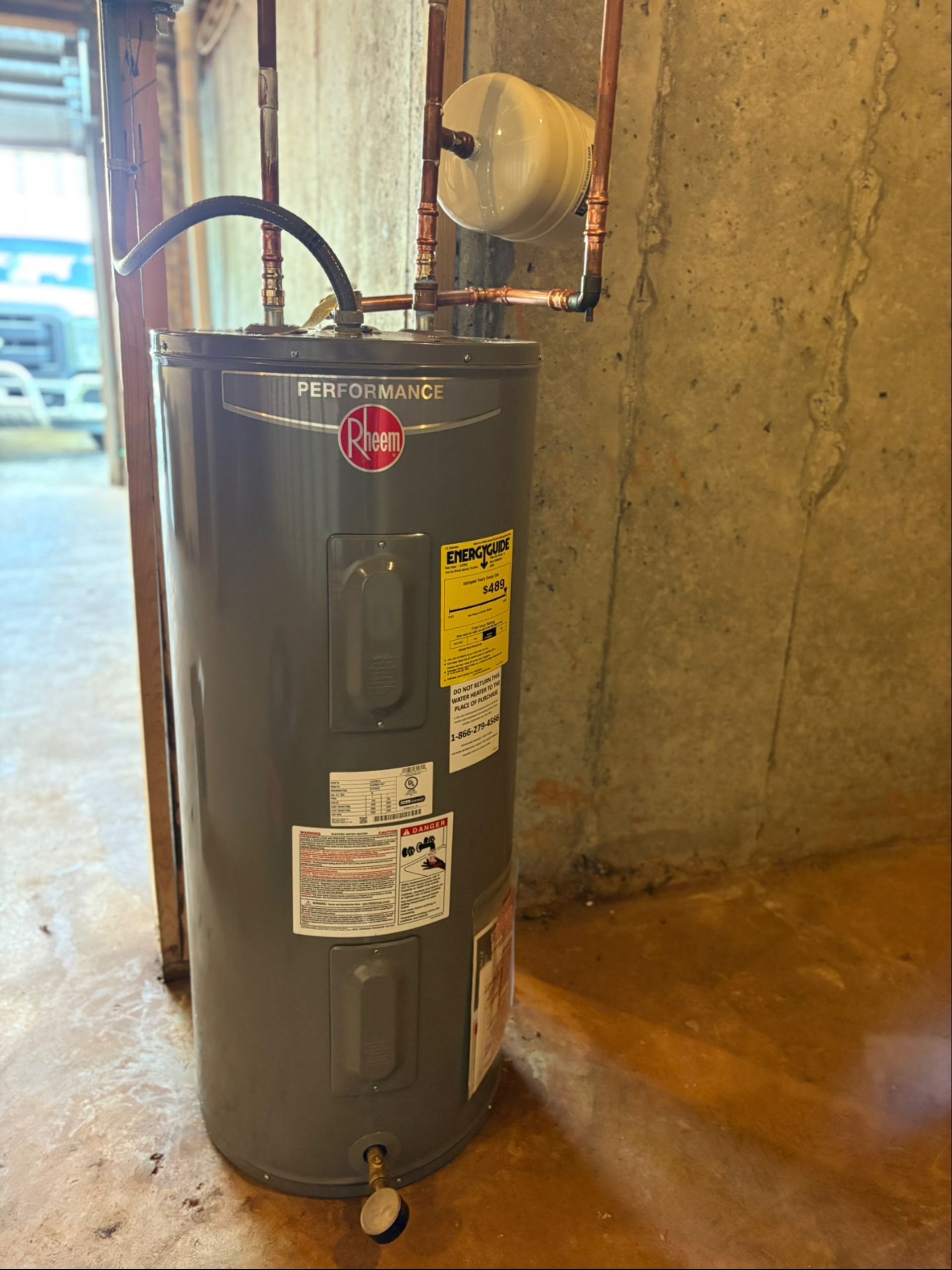
Few home systems get used as heavily, or noticed as quickly, as a water heater. One cold shower is usually all it takes to realize how much your daily routine depends on it. At Go 2 Comfort, we handle water heater repair Waco, Georgia and complete replacements for homeowners throughout the region. Our licensed technicians bring 15 years of hands-on heating and plumbing work to every call, which translates into faster diagnostics and repairs that hold up long after we pack up.
Not every failing unit needs to be replaced, and not every aging one is worth repairing. We start by testing the real condition of your tank, burner or heating elements, thermostat, and anode rod before recommending anything. If a repair restores reliable performance, that is what we do. If the numbers favor replacement, we walk you through tank, tankless, gas, electric, and heat pump options sized correctly for your household, then explain what each one costs to run over its lifetime. We also account for the mineral-heavy water common across west Georgia, which quietly shortens equipment life when sediment is left to build up inside the tank.
Our Water Heater Repair and Replacement Services
Diagnostic Inspection and Leak Assessment
Before any work begins, our technicians test your unit end to end: thermostat accuracy, element or burner function, gas pressure, venting, pressure relief valve operation, and the condition of every connection. We trace the source of leaks precisely rather than guessing, so you know whether you are looking at a fitting, a valve, or a corroded tank that has reached the end of its service life.
Tank Water Heater Repair
Most tank failures come down to a handful of culprits: a burned-out heating element, a failed thermostat, a clogged burner assembly, a faulty pilot or igniter, or a spent anode rod. We stock common replacement parts for major brands and carry out repairs in a single visit whenever possible, restoring consistent temperatures without the wait for special orders.
Tankless Water Heater Repair and Descaling
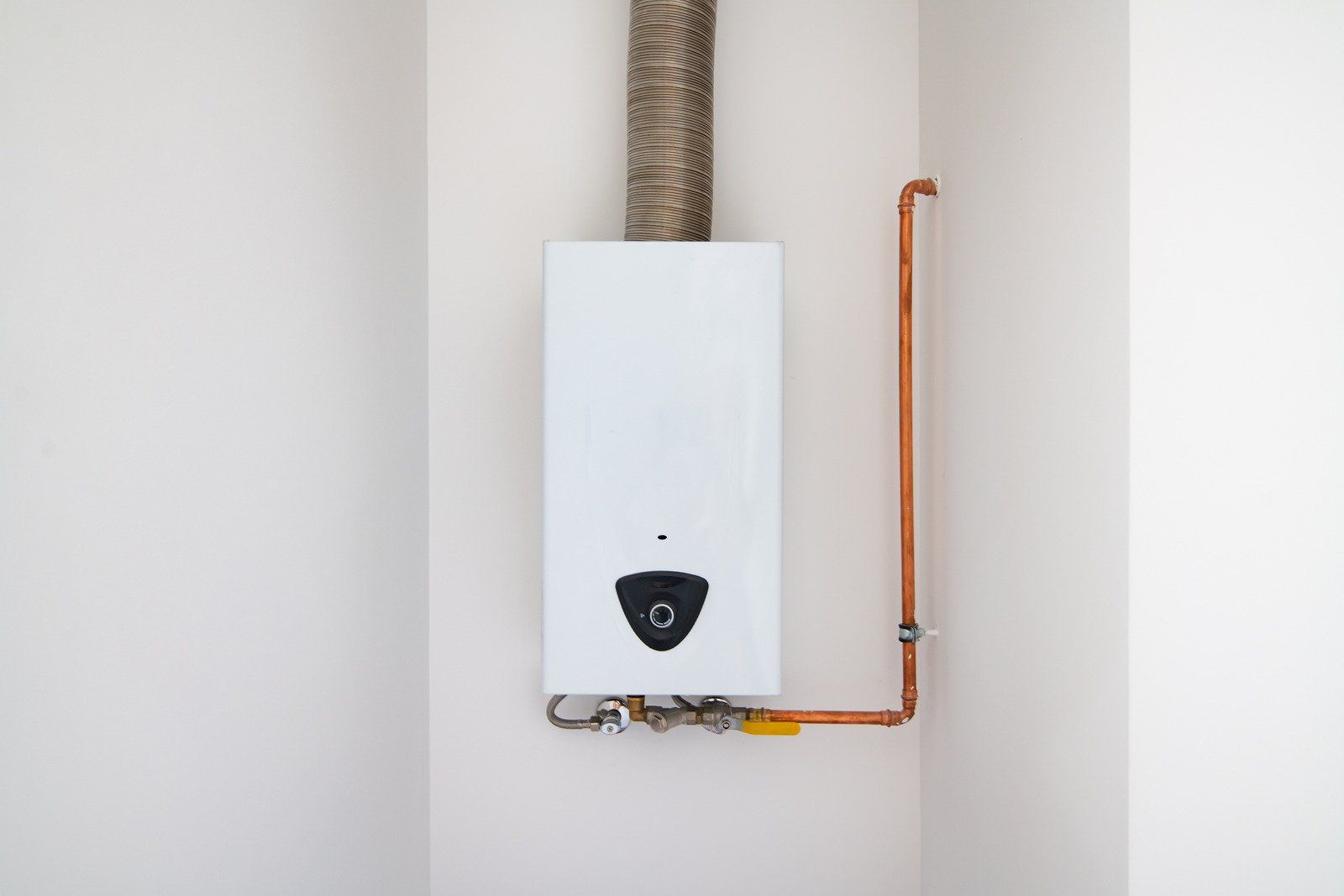
Tankless units deliver endless hot water, but mineral scale inside the heat exchanger will throttle flow and trigger error codes over time. We flush and descale these systems, clean inlet filters, check gas supply and venting, and resolve ignition or flow sensor faults so your unit returns to full output and stops cycling unexpectedly.
Complete Water Heater Replacement
When a tank has rusted through or repair costs no longer make sense, we handle the full swap: safe removal and disposal of the old unit, correct sizing for your household demand, new connections, updated venting, and code-compliant installation. You get a walkthrough of the new controls before we leave, along with the paperwork needed for warranty registration.
Emergency Water Heater Service
A ruptured tank can put gallons of water across a finished floor in minutes. Our team responds around the clock to shut off supply, contain the situation, and get a working replacement in place quickly. Same-day installation is often possible, which keeps a bad night from turning into a week without hot water.
Preventative Flushing and Anode Rod Service
Annual sediment flushing and timely anode rod replacement are the two cheapest things you can do to add years to a water heater. We drain accumulated mineral deposits, inspect the sacrificial rod, verify thermostat settings, and test the pressure relief valve, catching small problems while they are still inexpensive to correct.
Benefits of Professional Water Heater Repair and Replacement
Reliable Hot Water Every Day
Correct sizing and proper installation mean the unit keeps up with real demand in your home, whether that is back-to-back morning showers or a dishwasher and washing machine running at once. No more lukewarm rinses or waiting between uses because the tank cannot recover fast enough.
Lower Monthly Energy Costs
An old, sediment-packed water heater burns extra fuel to reach the same temperature. Clearing that buildup or upgrading to a modern high-efficiency model reduces standby losses and heating cycles, and many households notice the difference on the very next utility statement.
Reduced Risk of Water Damage
Tanks rarely fail without warning signs, and catching corrosion, a weeping fitting, or a failing relief valve early prevents the kind of rupture that soaks drywall, flooring, and stored belongings. Professional inspection turns a potential insurance claim into a routine service call.
Longer Equipment Life
Proper flushing, a healthy anode rod, correct thermostat settings, and a unit matched to your household demand all reduce the strain that causes premature failure. Well-maintained water heaters routinely outlast neglected ones by several years, which pushes your next replacement further down the road.
Safer Operation
Gas-fired units involve combustion, venting, and pressure, and mistakes in any of those areas carry real consequences. Licensed installation means correct gas connections, proper draft, a functioning pressure relief valve, and full compliance with local code requirements, so the system stays safe under everyday use.
Cleaner, Better-Tasting Hot Water
Sediment and bacterial growth inside a neglected tank produce discolored water and that distinctive rotten-egg odor at the tap. Flushing the tank and replacing a depleted anode rod clears both problems at the source, giving you hot water that looks and smells the way it should.
Frequently Asked Questions
How long should a water heater last before it needs to be replaced?
Conventional tank units generally run 8 to 12 years, while tankless models often reach 15 to 20 years with regular descaling. Water quality plays a large role. Homes with hard water tend to see shorter lifespans unless the tank is flushed annually and the anode rod is replaced on schedule. If your unit is past the 10-year mark and needing repairs more than once a year, a replacement is usually the better financial decision.
What are the warning signs that my water heater is about to fail?
Watch for rusty or discolored hot water, popping or rumbling sounds during heating cycles, water pooling around the base, a noticeable drop in how long hot water lasts, and a sudden climb in your energy bill. Any moisture on the floor around the unit deserves immediate attention, because tank corrosion progresses quickly once it reaches the outer shell.
Is it more cost-effective to repair my water heater or replace it entirely?
A useful rule of thumb: if the repair costs more than half the price of a new unit and the heater is already past two-thirds of its expected lifespan, replacement usually wins. Isolated failures like a bad thermostat or heating element on a five-year-old tank are worth repairing. A leaking tank on a twelve-year-old unit is not, since the tank itself cannot be patched reliably.
Should I switch from a traditional tank to a tankless water heater?
Tankless systems suit households that want unlimited hot water, need to free up floor space, or want to cut standby energy losses. They cost more upfront and may require gas line or venting upgrades. Larger families with heavy simultaneous demand sometimes do better with a high-capacity tank or a pair of tankless units. We assess your actual usage before recommending either direction.
How long does a water heater replacement typically take?
A straightforward tank-for-tank swap usually takes 2 to 4 hours, including draining and removing the old unit, setting the new one, connecting supply lines, and testing. Converting from tank to tankless takes longer, often a full day, because it involves new mounting, venting modifications, and sometimes gas line resizing to meet the higher input demand.
What size water heater does my household actually need?
Sizing depends on the number of people in the home and your peak simultaneous demand rather than square footage. A household of two often does fine with a 30 to 40 gallon tank, four people typically need 50 to 60 gallons, and larger families may want 75 gallons or more. Tankless units are sized by flow rate and the temperature rise needed for your incoming water.
Can hard water in this area damage my water heater?
Yes, and it is one of the most common causes of premature failure locally. Dissolved minerals settle out as sediment at the bottom of a tank, insulating the burner from the water above and forcing longer heating cycles. In tankless units, the same minerals coat the heat exchanger and reduce output. Annual flushing addresses both, and a water softener helps in homes with especially high mineral content.
Does Go 2 Comfort offer emergency service if my water heater starts leaking at night?
Absolutely. Our team responds to water heater emergencies 24 hours a day throughout Waco, Georgia and the surrounding communities. Call as soon as you spot the leak, shut off the water supply valve at the top of the unit if you can reach it safely, and we will handle the rest, including same-day replacement when the tank cannot be salvaged.
Long-Term Hot Water Solutions Built Around Your Home
Water heaters tend to be ignored until the moment they stop working, and by then the choice is often being made under pressure. Go 2 Comfort takes a different approach for households across Waco, Georgia, and the neighboring towns an honest assessment first, then a recommendation that fits your usage, your home's plumbing, and your budget. We carry out water heater installation for tank, tankless, gas, electric, and heat pump systems, and we back every job with clear pricing and no hidden add-ons. Our technicians explain what failed, why it failed, and how to keep the replacement running longer. Whether you need a same-day repair or a planned upgrade before your current unit gives out, our team is ready to restore dependable hot water to your home.
What our customers have to say...
Testimonials